Evidence & preparedness
Does climate change cause more pets to go missing? What we know
Climate change does not directly make pets disappear, but climate-influenced hazards and evacuations can increase separation risk. Learn how to prepare.
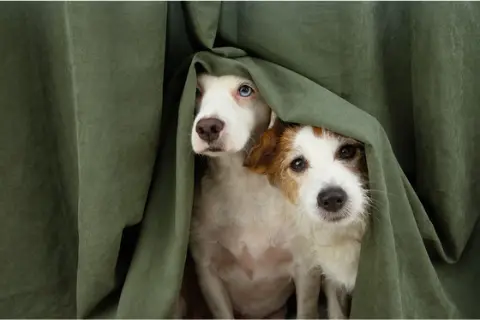
Short answer: not in a simple, direct way. There is not enough evidence to say global warming directly causes an individual pet to go missing. The supported connection is indirect—and still worth preparing for.
What the evidence shows
Climate change is changing the background conditions in which some disasters occur. The IPCC reports that climate and weather extremes are increasingly driving human displacement across all regions. The U.S. Climate Resilience Toolkit says climate change will alter the frequency, intensity, or geographic distribution of some extremes, while uncertainty remains for others.
Emergencies can also displace animals. CDC guidance states that disasters and evacuations may leave pets displaced, and its pet-safety guidance explains that changed scents and landmarks can leave pets confused and lost after an emergency. Ready.gov and the ASPCA therefore recommend including pets in evacuation plans, keeping identification current, and having recent photos ready.
Where the connection becomes an inference
A rushed departure, damaged fence, open door, unfamiliar temporary home, or frightened response to noise can create an opportunity for separation. Putting the evidence together suggests this risk pathway:
- Climate change can influence certain hazardous conditions.
- Those hazards can contribute to disasters, evacuation, and displacement.
- Emergencies and evacuation can create circumstances in which people and pets become separated.
That chain does not prove climate change caused any particular pet to disappear. These sources also do not provide a national estimate of missing-pet cases attributable to climate change. Weather, housing, planning, identification, animal behavior, and chance all matter.
Prepare before a warning arrives
- Keep collar identification and microchip registration current.
- Save recent face, full-body, and distinctive-marking photos, plus one photo of you together.
- Keep carriers, leashes, medication, and a pet go-kit easy to reach.
- Practice safely getting each pet into their carrier or vehicle.
- Identify a pet-friendly destination and a trusted backup person.
- Bring pets indoors early when severe weather threatens and follow local instructions.
Homeward Pet can help organize identifying details and alert materials, but it does not replace microchip registration, official emergency alerts, shelter reports, or veterinary records—and it does not contact those organizations automatically.
Sources
Reviewed August 24, 2026.